 020 3744 3778
Perfect Hedge Shapes: Techniques for Every Gardener
Posted on 30/08/2025
Perfect Hedge Shapes: Techniques for Every Gardener
Are you dreaming of creating perfect hedge shapes in your garden? Shaping hedges isn't just about snipping away at foliage; it's an art that transforms simple greenery into living sculptures. Whether you're a beginner looking to improve your curb appeal or a seasoned gardener aiming for topiary masterpieces, this comprehensive guide unearths techniques for every gardener to master perfect hedge forms. Read on for expert advice, actionable steps, and inspiration for every garden design.
Why Hedge Shape Matters
Hedges are multifunctional, providing structure, privacy, shelter, and a lush backdrop for your garden. However, well-maintained and properly shaped hedges elevate your outdoor space from ordinary to extraordinary. The right technique not only enhances aesthetics but also ensures healthy growth and longevity for your plants.
- Increase property value with sculpted hedges.
- Improve privacy by shaping dense screens.
- Boost garden design symmetry with uniform hedges.
Choosing the Best Plants for Shaping
Before grabbing your shears, it's crucial to pick the right plant species. Some shrubs respond to trimming better than others, sustaining vibrant new growth and clean lines.
Popular Hedge Varieties
- Boxwood (Buxus sempervirens): Classic choice for formal gardens.
- Yew (Taxus baccata): Slow-growing, long-lived, and easy to prune.
- Privet (Ligustrum): Fast-growing, ideal for quick screens.
- Holly (Ilex): Glossy foliage with architectural impact.
- Laurel (Prunus laurocerasus): Tolerates hard pruning, thrives in various soils.
Selecting a suitable species sets the stage for hedges that can be trained into sharp, defined forms and withstand regular trimming.
Essential Hedge Trimming Tools
Whether you're aiming for neatly clipped straight lines or intricate curves, the right equipment is mandatory. Here's a tool checklist every gardener should have:
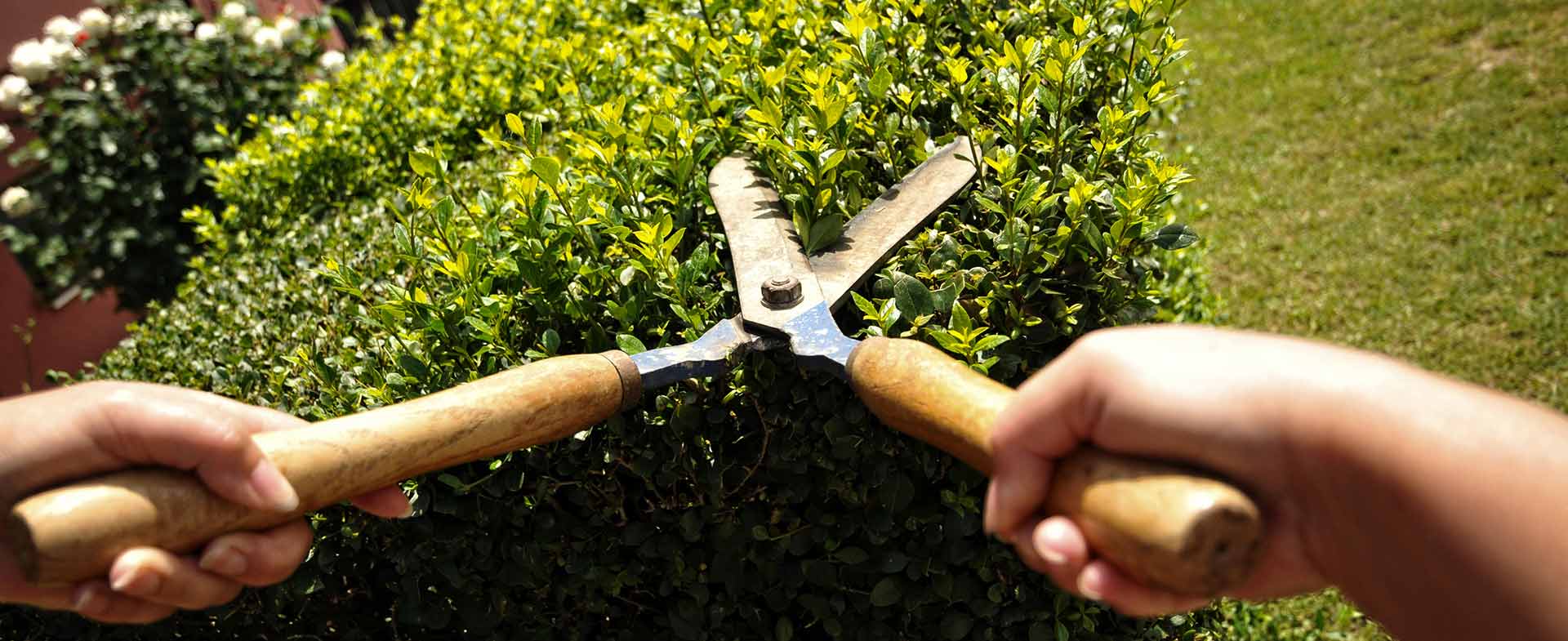
- Hedge Shears: Ideal for clean, even cuts on small to medium hedges.
- Electric or Cordless Trimmer: Speeds up shaping for larger hedges.
- Pruning Secateurs: Perfect for cutting thicker branches and precise snipping.
- Loppers: For tackling mature or woody stems.
- Measuring Tape/String: Keeps lines straight and shapes even.
- Protective Gear: Gloves and safety glasses will protect you from accidental nicks.
Timing Your Trimming for Perfect Hedge Shapes
Proper timing prevents stress on your plants and encourages luscious, thick growth. Most deciduous hedges should be trimmed in late spring or early summer, after the risk of frost. Evergreen hedges often tolerate a trim in late summer.
General Guidelines:
- Trim boxwood and yew in late spring and again in late summer if needed.
- Privet can be pruned several times during the growing season due to its rapid growth.
- Avoid trimming in autumn, since new growth may not harden off before winter.
Basic Techniques for Shaping a Hedge
The secret behind perfect hedge shapes is consistency and attention to plant health. Here's how to start and maintain a shapely hedge:
1. Mark Your Line
Use stakes and string to outline the height and width you desire. This prevents wonky lines--especially when tackling longer stretches.
2. Start Broad at the Base
Trim hedges slightly wider at the bottom than the top. This classic "A" shape allows sunlight to reach lower branches, keeping your hedge green and dense all over.
3. Trim Little and Often
Frequent, light trims are healthier for your plants and make it easier to maintain sharp shapes. Avoid heavy cuts unless rejuvenating an old or very overgrown hedge.
4. Step Back and Judge
Every few minutes, step back and study your work from different angles. Adjust as needed to ensure perfect hedge symmetry and uniformity.
Advanced Hedge Shaping: Artistic Forms & Topiary
Ready to go beyond straight lines? Advanced shrub shaping--like balls, cones, pyramids, and even animal forms--requires patience and practice, but the rewards are stunning.
- Balls and Spheres: Start with a loose circular guide, then snip around in increments, rotating your view.
- Cones and Pyramids: Visualize triangles, and use bamboo canes or templates for accuracy.
- Spirals and Sculptures: Mark your spiral with string first, then carefully trim around the guide. These shapes often use a single upright-growing plant as the base.
Tip: If you're new to topiary, begin with simple shapes and gradually attempt more elaborate forms as your confidence and skills grow.
Tips for Achieving Uniform Hedge Shapes
- Always cut with sharp blades to prevent ragged edges and plant stress.
- Use a spirit level or long board for precision on flat-topped hedges.
- Trim on an overcast day to prevent leaf burn.
- For taller hedges, work in small sections and recheck the lines as you move along.
Avoiding Common Hedge Trimming Mistakes
- Neglecting the base: Too much width at the top shades lower leaves, leading to bare spots. Keep the pyramid shape to allow light throughout.
- Over-pruning: Removing too much in one session can weaken your hedge. Trim little by little.
- Ignoring tool maintenance: Clean and oil blades regularly to avoid disease transmission and ragged cuts.
Specialized Hedge Shapes: Inspiration for Your Garden
Looking for ideas to add creative flair? Here are a few classic and innovative shapes for your perfect hedge:
- Formal Rectangles: Ideal for structured gardens or property boundaries. Achieve with regular trimming and a level guide.
- Curved Waves: Soften your garden's lines and introduce movement by alternating heights along your hedge.
- Arches and Tunnels: Create living walkways for magical entrances or veggie patch divisions.
- Topiary Figures: Animals, letters, or abstract forms. Great for focal points or playful garden themes.
- Tiered Hedges: Plant two hedge species of different heights, then trim each layer for unique texture and height variations.
Seasonal Hedge Care for Lasting Shape
To preserve your perfect hedge shapes year-round, a little ongoing care goes a long way:
- Mulch: Retain soil moisture and suppress weeds by adding organic mulch around the base.
- Fertilize: Apply a balanced shrub fertilizer in spring to boost growth.
- Irrigate: Water deeply during dry spells. Even established hedges benefit from occasional soaking.
- Inspect for pests and disease regularly, especially in tightly clipped, dense hedges where air can't circulate freely.
Training Young Hedges Into Shape
Establishing strong, perfect shapes starts when hedges are still young:
- Trim lightly the first year to encourage bushy growth.
- Begin shaping the sides and top after two years.
- Continue regular pruning to thicken the hedge and promote even coverage.
Sustainable and Wildlife-Friendly Practices
Many gardeners want a beautiful hedge shape but also care about the environment. Here's how to combine aesthetics and eco-friendliness:
- Cut after the main bird-nesting season (usually late July). Songbirds use hedges for nests and food.
- Leave some sections untrimmed if possible, or choose to shape only part of your hedge each year.
- Opt for native species, which support local wildlife and are generally easier to maintain.
Troubleshooting: Rescuing Overgrown or Misshapen Hedges
Even the most careful gardeners face challenges. Here's what to do with neglected or poorly shaped hedges:
- Hard Pruning: Cut back severely in late winter or early spring. Most species will regrow from the wood, though this may take a season or two.
- Selective Thinning: Remove old, woody stems to encourage new shoots and improve shape.
- Replanting: If a hedge is unsalvageable, consider removing it and starting fresh, perhaps experimenting with a new variety or more suitable plant.
Hedge Shape Maintenance Schedule
- Early Spring: Tidy up evergreen hedges and hard prune if needed.
- Late Spring/Early Summer: Main trim for deciduous hedges to establish and maintain shape.
- Mid-Summer: Light trims for rapid growers like privet or for detailed topiary.
- Late Summer: Last touch-ups for evergreens before the growing season ends.
- Autumn: Minimal trimming--prepare hedges for winter; remove weeds and add mulch.
Frequently Asked Questions About Perfect Hedge Shapes
-
Q: How do I get perfectly straight hedge lines?
A: Use string or a wooden board as a guide. For long hedges, check your work every meter or so. -
Q: Should hedges be wider at the base?
A: Yes! An "A" shape keeps all layers healthy and prevents leaf drop at the bottom. -
Q: What's the best time of year to trim hedges?
A: Early to mid-summer, but check your specific plant's needs. -
Q: Can all shrubs be trained into shape?
A: Most, but some are better suited than others. Flexible, small-leaved evergreens are ideal.
Conclusion: The Art of Perfect Hedge Shapes for Every Gardener
Achieving perfect hedge shapes is a rewarding endeavor for every gardener, blending horticultural skill with creativity. Whether you favor sharp rectangles, gentle waves, or whimsical topiary forms, the principles remain the same: choose the right plants, use proper tools, trim with care, and maintain a consistent schedule. Remember to observe your hedges throughout the year, making incremental adjustments for long-lasting beauty and vitality.
With these expert techniques and tips, anyone can sculpt their hedges into striking features that will be the envy of the neighborhood. Start simple, embrace trial and error, and take pride in your living green masterpieces!
Related Resources
- "Garden Design Basics: Enhancing Curb Appeal with Hedges"
- "Topiary for Beginners: Creative Shaping Techniques"
- "The Ultimate Guide to Hedge Selection and Care"
- "Eco-friendly Gardening: Wildlife Hedges and Sustainable Practices"
- "Annual Hedge Maintenance Calendar"
Latest Posts
Storm-Ready Gardens: Ensuring Safety Through Smart Preparations
Cultivate Flavor with a Personal Herb Farm
Best Practices for Keeping Garden Plants Safe in Winter